Avoid Costly Mistakes in Hay Moisture Measurement
Achieve optimal moisture with Wile 500 & Wile Hay Core Sampler
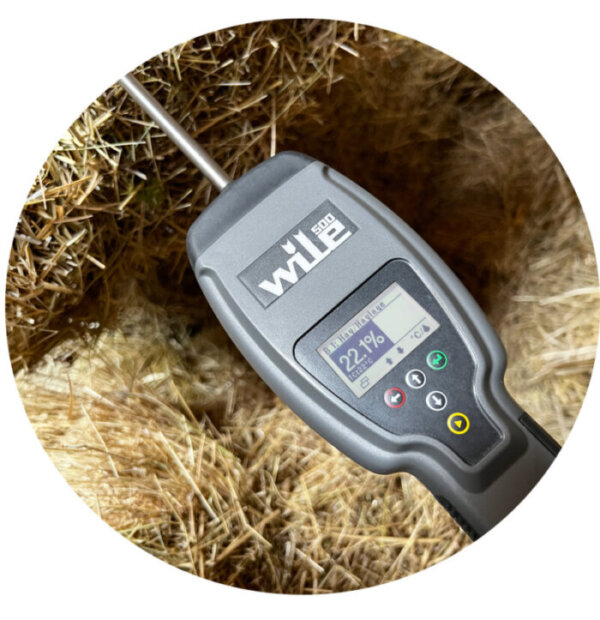
Getting hay moisture right is critical for maintaining forage quality, preventing spoilage and ensuring farm profitability. If the bale is too wet you risk mold, heating, or even spontaneous combustion. If the bale is too dry you lose the protein-rich leaves that make your feed valuable. Even with a meter, inaccurate readings are common due to techniqal errors and can lead to unreliable results. Wile 500 & Wile 500-S help in measuring moisture and temperature accurately — even in dense bales. Still it’s important to remember a few things to make sure the measurement is performed in a correct way.
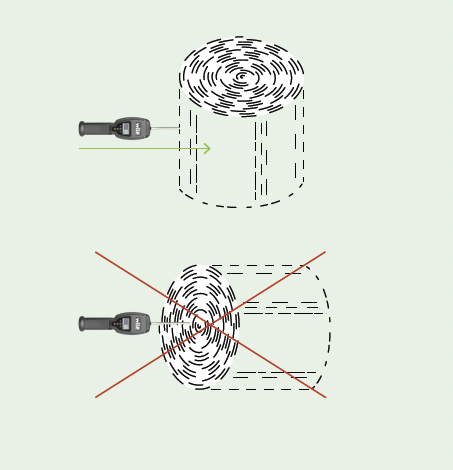
Common mistakes to avoid when measuring bale moisture
Measuring only the outside:
The outer layer of the bale dries quickly, while the core can remain a high-risk moisture zone. So always remember to probe at multiple depths.Averaging results:
In grain, you average. In hay, you look for the highest reading — as the wettest spot is where spoilage begins.Ignoring bale density:
Dense bales behave differently from loose ones. Standard meters can misread high-density bales, affecting accuracy.Ignoring “Friction Heat”:
Pushing a probe into a tight bale creates friction, which can heat the probe and distort temperature-based readings.
Accurate sampling matters
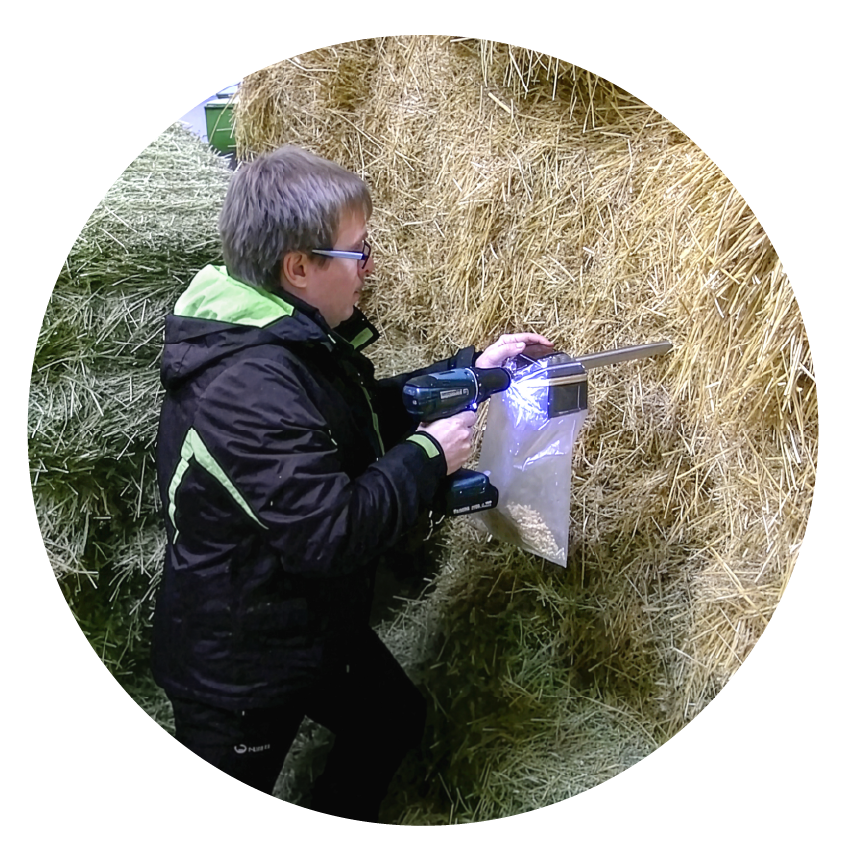
The Wile Hay Core Sampler provides a fast and reliable way to take representative samples from hay, haylage, straw, and silage bales.
How to take a representative forage sample:
• Before taking the actual sample, drill one extra hole and remove the sample from the tube, this way you can remove any old residues from the internal surface of the tube.
• Take a sample from several different places and at different depths of the bale.
• Take a surface sample and a deep sample separately:
- A surface sample: Drill into the bale for about half the length of the sampler and push the sample into the bag.
- A deep sample: Drill into the bale through the same hole for the full length of the tube and push the sample into another bag.
• Seal the bag airtight after sampling.
• Store the bag protected from the sun in a cool place.
• Avoid unnecessary handling and contaminating the sample.
With plastic wrapped bales patch the hole after sampling with, for example, farm tape.
Note! The high revolutions of the drill may cause excessive heating of the tube, which may dry out the sample.
Taking a few minutes to measure moisture and sample correctly can help:
- Prevent heating and mould
- Protect feed value
- Support better storage decisions
Combining moisture measurement with proper sampling gives a more complete picture of forage quality before storage or feeding.
Small checks at harvest can make a big difference to forage quality and farm profitability.